For the Love of Birds
Two of the foundational pillars of Cold Hollow to Canada (CHC) are Forest Stewardship and Community Empowerment. These two pillars are front and center in our signature program, CHC Woodlots. The Woodlots program is a peer-to-peer, landscape-level stewardship program where landowners learn from each other, identify topics to take a deeper dive in, and manage their properties in a way that meets individual goals while complimenting the goals of their neighbors.
Landowners who participate in the CHC Woodlots program have long benefited from our partnership with Audubon VT. Since 2015, owners have received 51 habitat assessments conducted by Audubon staff, with more being completed this summer.
Together, the experts from Audubon teach landowners about neotropical songbirds and address habitat needs for a select suite of birds that represent habitat niches for the 40 birds of conservation need in Vermont. Addressing these habitat needs also enhances forest characteristics that mitigate and adapt our forests to changing climates. Since 2023, the Woodlots program has also partnered with the Vermont Youth Conservation Corps (VYCC) to implement these habitat improvement practices on the ground.
At least 37 properties of CHC Woodlots landowners have implemented songbird habitat improvements, with 7 properties working with VYCC crews.
This past April, two projects were completed, one at the property of Sarah Downes and Steve Wadsworth in Enosburgh, and one at Joe and Josie Lisaius’s property in Montgomery.
The Enosburgh project goal was to create greater structural diversity and to start moving a plantation of Norway Spruce to a more species-diverse forest. Diversity is a key component in enhancing bird habitat and climate change resilience. The VYCC crew created two small gaps of ¼ acre in size in a section of this plantation.
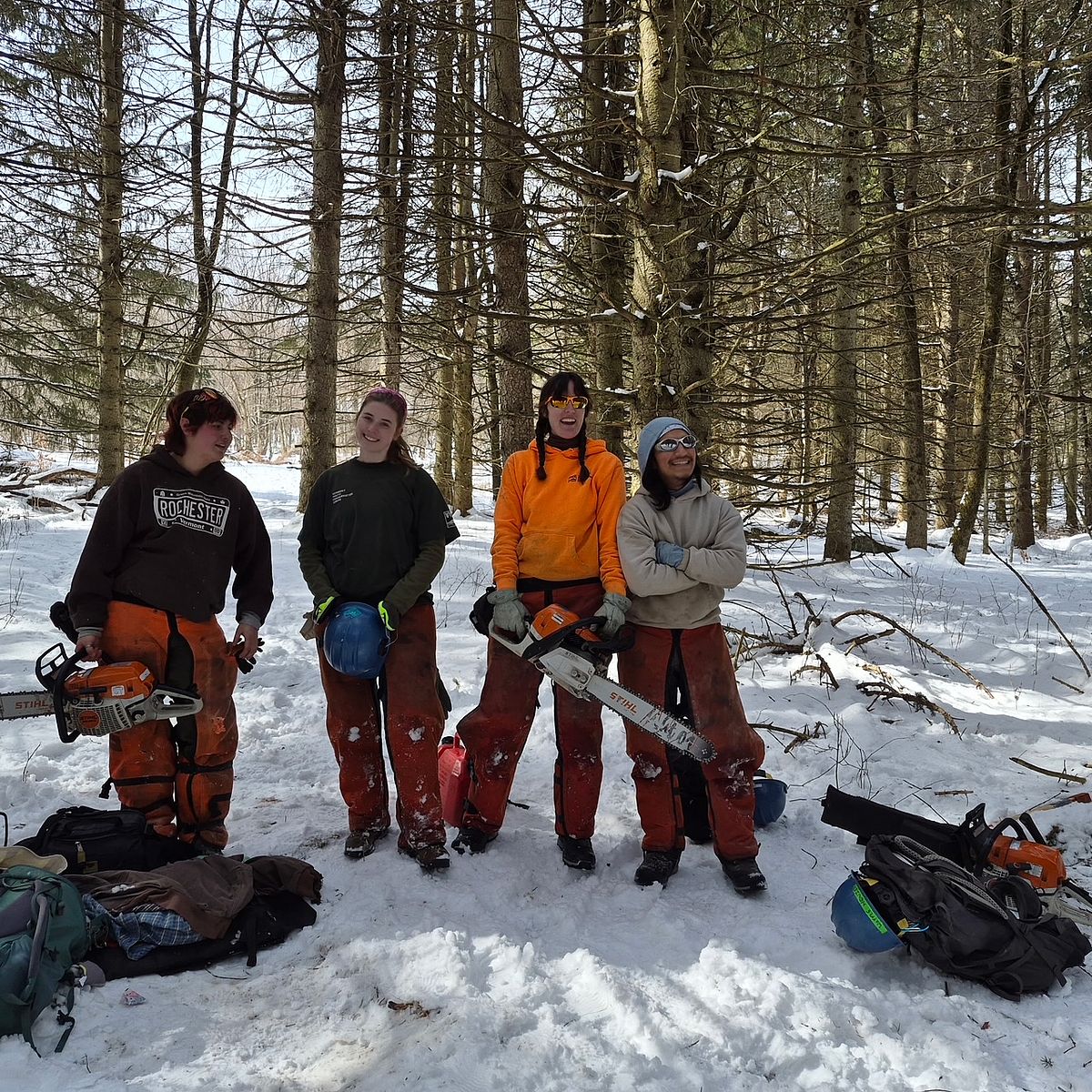
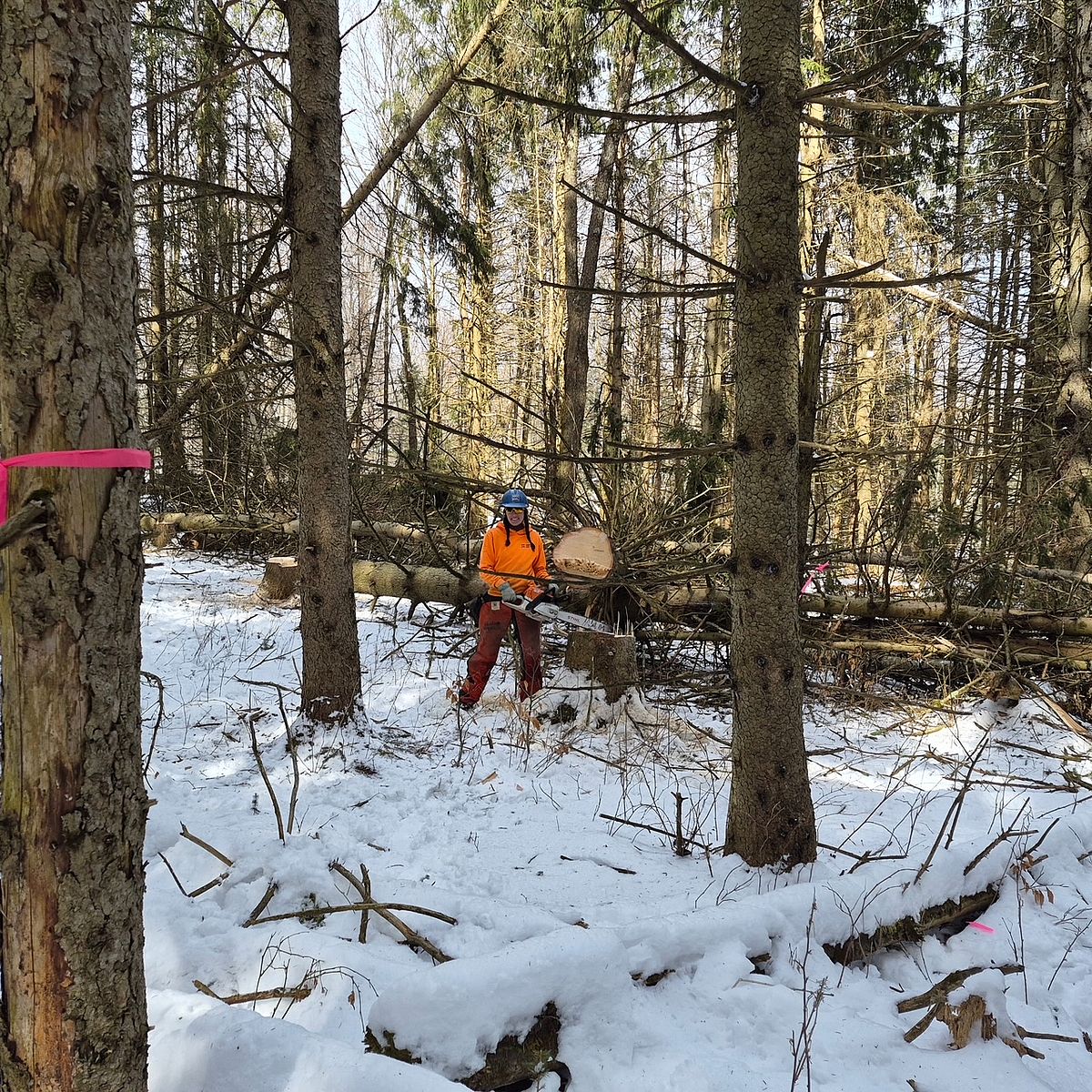
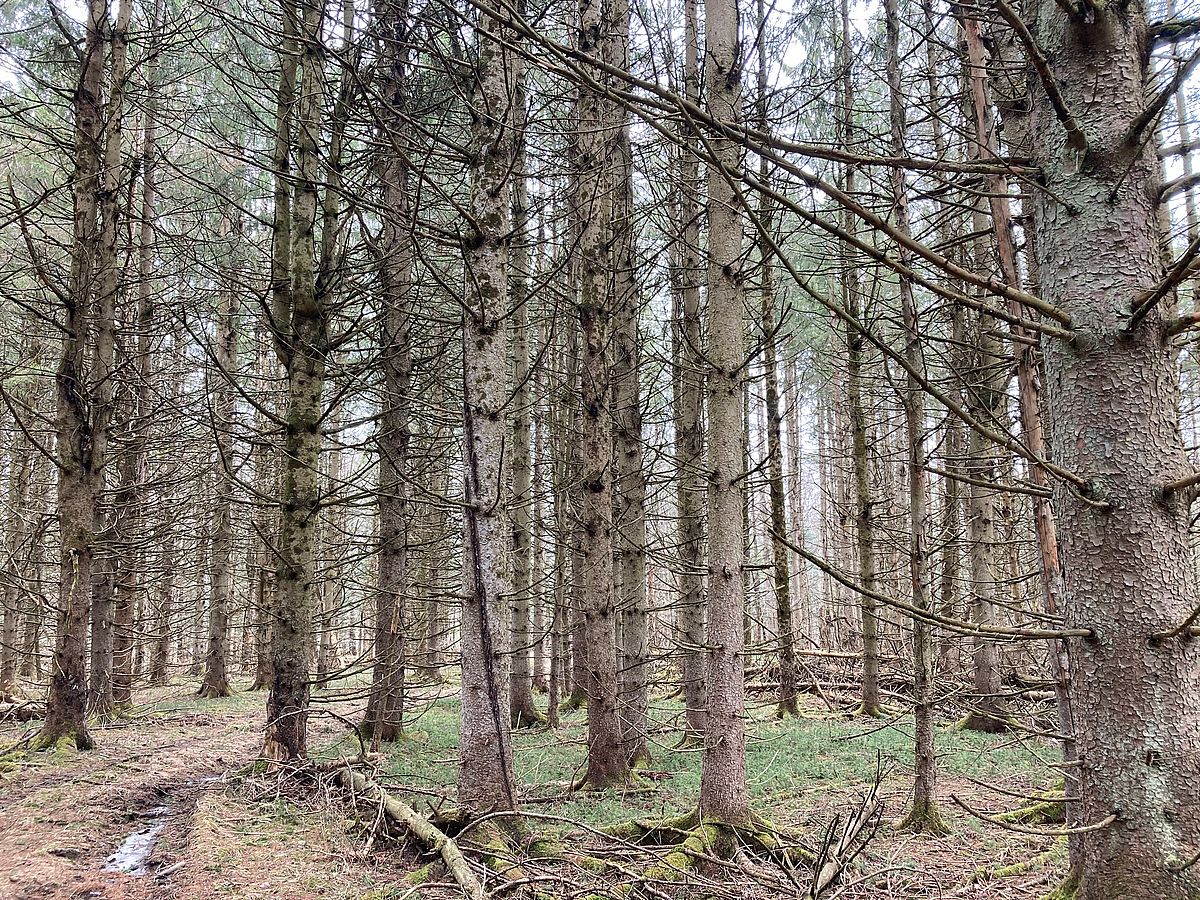
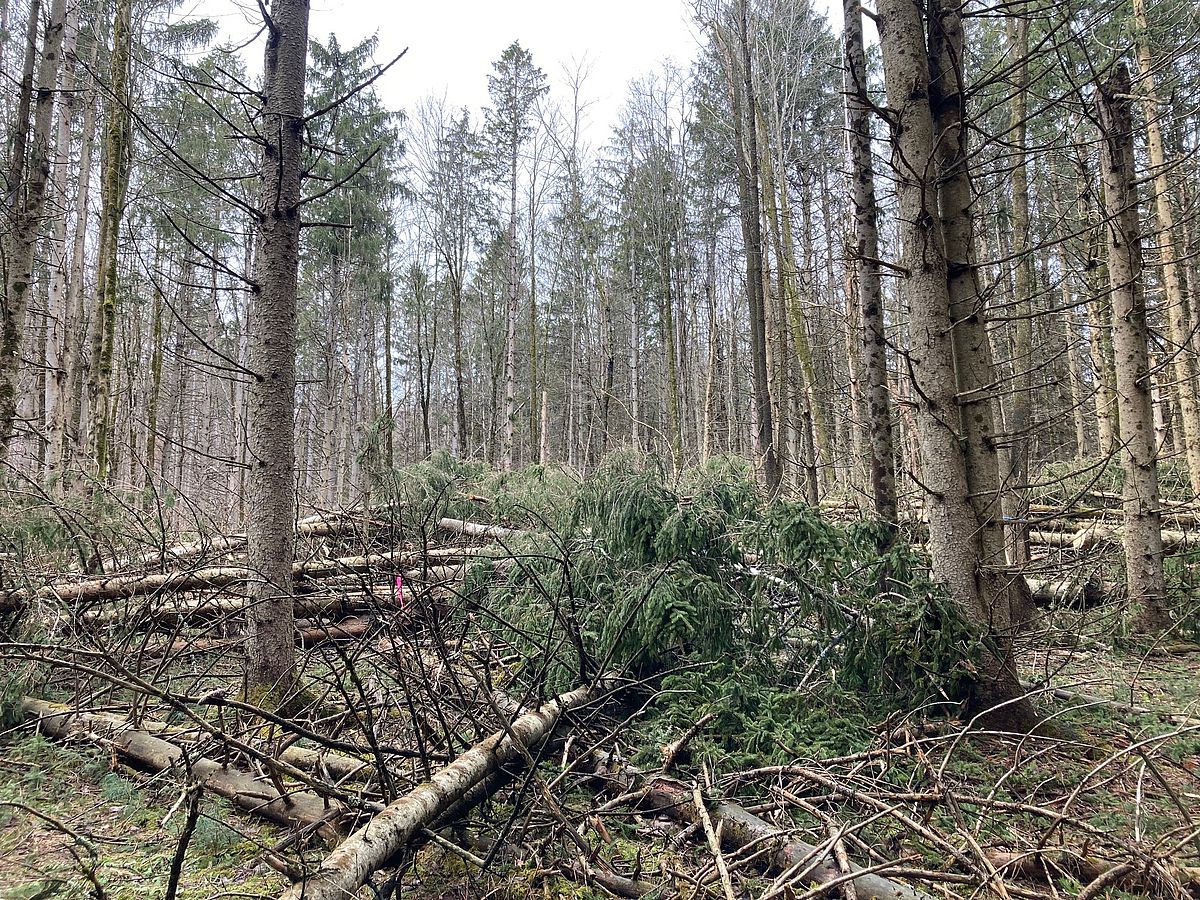
In Montgomery, the goal was also to develop greater structure, meaning more variety in tree ages, sizes, and layers, which creates habitat for a wider range of wildlife. In this case, the practice employed was crop tree release with canopy gaps. The gaps here are much smaller, only 1/10th of an acre in size, or somewhat larger with trees left within the gaps. Trees that are released outside the gaps as well as the retained trees within the gaps have greater room to grow and will attain a larger size more rapidly than the other trees. On a two acre area, there are two 1/10th acre gaps and about 50 trees released from competition. The same VYCC crew did all the work on both properties.


We are continuing our work with Audubon VT in 2026, with additional assessments and potentially three projects funded by the Cornell Lab of Ornithology through Audubon VT. We are grateful to all of our partners and especially Audubon VT for many years of partnership and exciting ongoing work together.
